
A Final in Round Two: How the Asian Games 2026 Badminton Draw Compressed India's Path
**মূল উত্তর** এশিয়ান Games ২০২৬-এর Badminton ড্রয়ে ভারতের সবচেয়ে বড় চাপ পুরুষ এককের দ্বিতীয় রাউন্ডে, যেখানে লক্ষ্য সেন সমমানের প্রতিপক্ষ লোহ কিন ইয়ুর মুখোমুখি। নারী এককে পিভি সিন্ধুর পথ পরপর দুটি ভিন্ন স্টাইলের পরীক্ষা, আর পুরুষ দ্বৈতে সাত্বিকসাইরাজ-চিরাগ ভারতের সবচেয়ে নির্ভরযোগ্য পদকের সম্ভাবনা। **মূল তথ্য** - ২৫ সেপ্টেম্বর ২০২৬-এ আইচি-নাগোয়ায় Badminton একক ও দ্বৈত ইভেন্ট শুরু, ফাইনাল ২৯ সেপ্টেম্বর। - ২৬ সেপ্টেম্বর রাউন্ড অব ৩২ ও ১৬, ২৭ কোয়ার্টার, ২৮ সেমি, ২৯ ফাইনাল — টানা চার দিনে চার নকআউট। - প্রতি এনওসি প্রতি ইভেন্টে সাধারণত দুটি এন্ট্রি; ভারতের পুরুষ এককে লক্ষ্য সেন ও আয়ুশ শেট্টি। - পুরুষ দ্বৈতে সাত্বিকসাইরাজ রঙ্কিরেড্ডি-চিরাগ শেট্টির সম্ভাব্য সেমিফাইনাল কিম ওয়ান-হো-সিও সুং-জে জোড়ের বিপক্ষে। - ড্র-প্রতিবেদনে র্যাংকিং, Form ডেটা বা সোর্স নেই; রাউন্ড লেবেল বিডব্লিউএফ/ওসিএ ড্র দিয়ে যাচাই করা প্রয়োজন। **সূত্রনির্দেশ** মূল সূত্র: এশিয়ান Games ২০২৬ Badminton ড্র-প্রতিবেদন, প্রকাশ ২৪ সেপ্টেম্বর ২০২৬। সব Statistics ও ম্যাচআপ মন্তব্য International Badminton ডেস্কের প্রাক-ম্যাচ প্রকল্পনা হিসেবে পড়া উচিত। **সম্পর্কিত প্রশ্নোত্তর** প্রশ্ন: লক্ষ্য সেনের সবচেয়ে কঠিন ম্যাচ কোনটি? উত্তর: দ্বিতীয় রাউন্ডেই, কারণ দুজন সমমানের আক্রমণাত্মক খেলোয়াড় এবং অগভীর সিডিং তাদের একই কোয়ার্টারে এনেছে। প্রশ্ন: পিভি সিন্ধুর নারী একক পথ কেন কঠিন? উত্তর: পরপর দুটি বিপরীত স্টাইলের পরীক্ষা — প্রথমে গতির খেলোয়াড়, তারপর নিয়ন্ত্রণ-বিশেষজ্ঞ — সংকুচিত সূচির মধ্যে। প্রশ্ন: ভারতের সবচেয়ে নির্ভরযোগ্য পদক কোথায়? উত্তর: পুরুষ দ্বৈতে, কারণ শীর্ষ জোড়ের সামনে প্রকল্পিত প্রতিপক্ষ শৈলীগতভাবে ভিন্ন ধরনের রক্ষণ-নির্ভর দল।
The draw sheet dropped a little past midnight. I had the laptop open in my Chengdu flat, and the screen held nothing but names and brackets — no smash speeds, no rally lengths, no coach quotes. That is exactly why I like reading badminton draws: a draw is not a match, it is a blueprint of possibilities. Then my eye snagged on one line: men's singles, second round, Lakshya Sen versus Loh Kean Yew.
For some players a draw means a first round. For others it means a bye. The whistle does not blow the same note for everyone, and an Asian Games draw sheet makes that clear on day one. Three Indian entries, PV Sindhu among them, received first-round byes. On paper that reads as good fortune. On the same sheet, though, sits a second-round match that by quality belongs near the end of the tournament.
Where this event actually stands
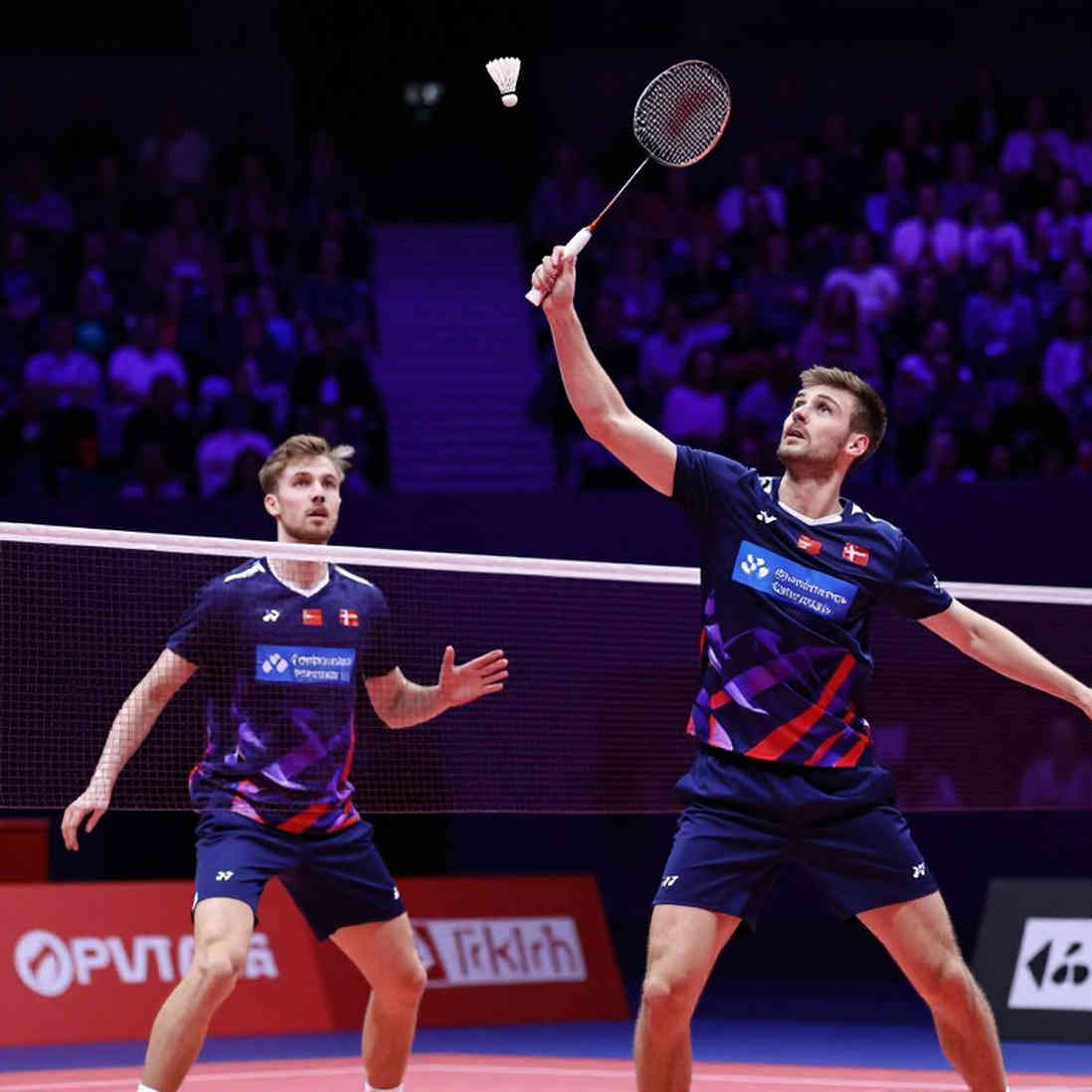
The 2026 Asian Games are being staged in Aichi-Nagoya, Japan. The badminton individual events run September 25 to 29, after a team event in which India's men reached the semi-final. That means India's male singles and doubles players arrive carrying several days of high-intensity matches with minimal recovery. The Asian Games is not part of the BWF World Tour; the currency here is prestige, state reward schemes and selection credibility, not ranking points. Per-NOC entries are limited, usually two per event in singles.
One caveat has to be stated plainly. This analysis rests on a draw report that contains no rankings, no recent-form data, no head-to-head records and no named coaching staff. Byes, pairings and dates are the only hard facts. Everything tactical below should therefore be read as a pre-match hypothesis.
A final placed in round two
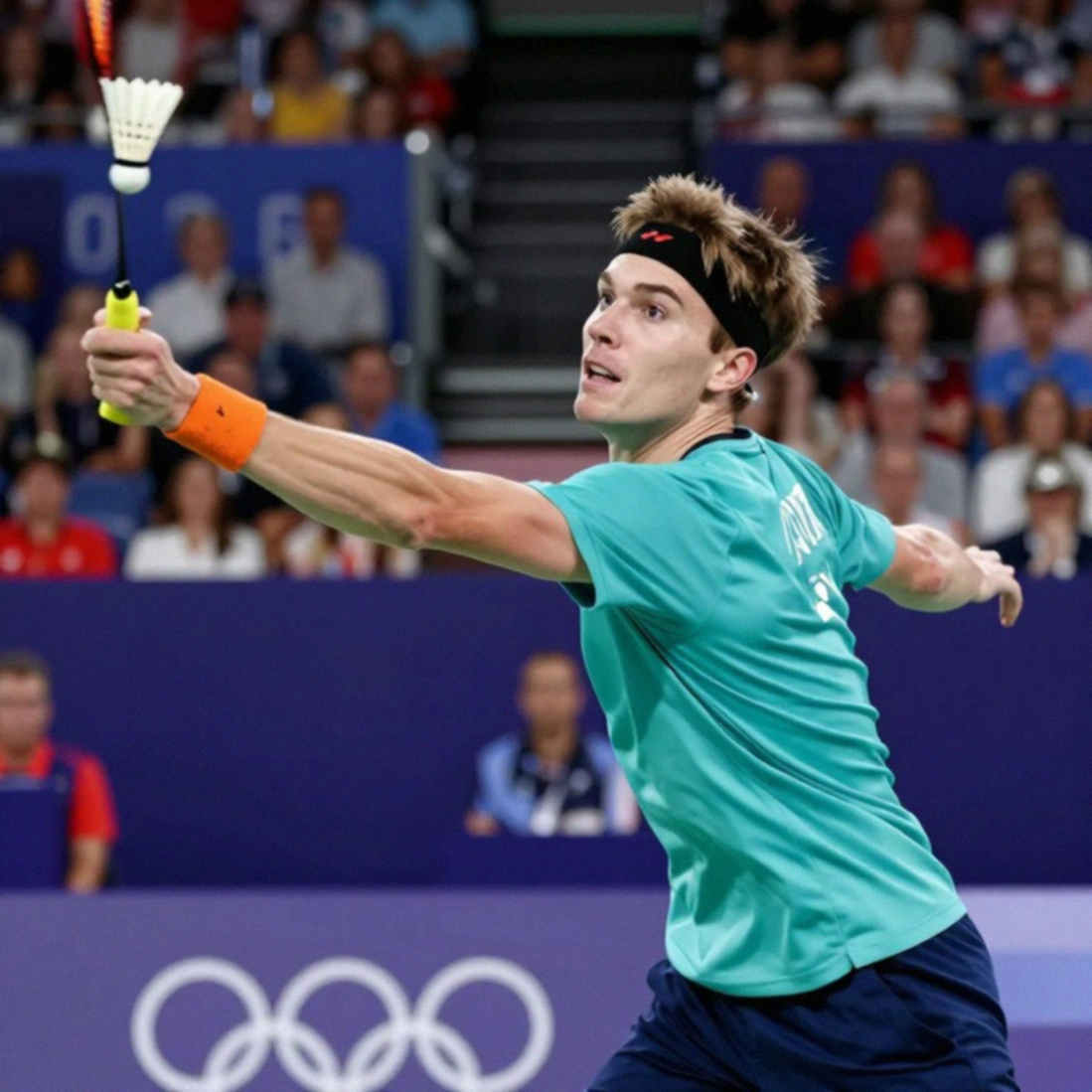
Lakshya Sen and Loh Kean Yew are both mid-to-fast tempo attackers. Sen's game lives in front-court craft and deception; Loh's leans on flat drive pressure and early aggression. It is a mirror matchup, decided in the first three shots and at the net. On the draw sheet this is round two. By playing standard, it is a knockout final — and Sen's tournament effectively begins here, on a coin flip.
Sen is around 25, the front edge of the peak window, the phase where a top-15 mainstay either converts into a title-winner or plateaus. A second-round exit does more than end a tournament. Shallow seeding at multi-sport events keeps producing these collisions, and that is a governance question, not a player's fault.
Sindhu's path: not one opponent but two opposite tests
Sindhu opens against Malaysia's Letshanaa Karupathevan. The tactical risk lies in tempo control, not in the opponent's ranking. At roughly 1.79 metres she owns a high contact point and a steep angle, but her historical vulnerability is the slow start and the long rally against defensively disciplined lower-ranked players. Then comes a projected route through Tomoka Miyazaki's speed and Chen Yufei's control. Sindhu's real risk is not her first match; it is the compounding cost of the path itself, and at 31 the recovery window is the binding constraint.
The report also never names Asia's dominant women's singles force. Either Sindhu sits in the opposite half, or the projection is incomplete. If the latter, readers are building a wrong mental map.
Men's doubles: India's most defensible asset
Satwiksairaj Rankireddy and Chirag Shetty face Thailand's Peeratchai Sukphun and Pakkapon Teeraratsakul. India's edge is back-court smash weight and front-court interception; the failure mode is serve-and-return error. A projected semi-final against Kim Won-ho and Seo Seung-jae would be a style clash, not a form clash: power attack against Korean side-by-side defensive structure. Men's doubles is India's one genuinely defensible medal asset, and its biggest condition is the four or five seconds when serve and return are decided.
In 2026 I hosted a remote watch-along of Borussia Dortmund against Schalke from an empty Signal Iduna Park. Goals went in, but the silence behind the camera kept me quiet for three days. The empty stadium taught me that silence has a pulse you can hear. A data-free draw report is the same object: brackets with no context.
Signals of Indonesian re-pairing
The listing of Fajar Alfian and Muhammad Shohibul Fikri is not a long-established combination; Fajar's usual partner is Muhammad Rian Ardianto, Fikri's is Daniel Marthin. Either Indonesia is actively re-pairing, or the listing is an error. Across Asia, re-pairing cycles typically need six to eighteen months to stabilise, and settled pairs hold a temporary advantage inside that window. The re-pairing window is India's quietest opportunity, and it makes the "uphill battle" label worth reading more carefully.
The calendar is the real opponent
Round of 32 and round of 16 on September 26, quarter-finals on the 27th, semi-finals on the 28th, final on the 29th: four knockout matches in four consecutive days, on top of the team event. Add humid late-September conditions in air-conditioned arenas in southern Japan, where shuttle drift rewards adaptation. The most under-discussed risk in this draw is not an opponent; it is the calendar, and the draw report recorded the schedule as neutral information without flagging its consequences. The 1.15-metre service-height rule adds a quiet execution risk for tall doubles servers.
What everyone will read as easy
The obvious explanation is that India received a friendly draw. That is incomplete. A bye does not only help; it removes a warm-up match. For players arriving from a team event, a soft opener is the entry ramp into tournament mode. Cut it away and the second round becomes the first — against Loh Kean Yew. The bigger gap is in the coverage itself: omitting the leading contender in women's singles, and mixing round-of-64 and round-of-32 labels, leaves any forecast built on this report resting on assumption.
Looking ahead
The story will rewrite itself within 78 hours. Watch Sindhu's score-line character rather than her win-loss column: being dragged to three games by a lower-ranked opponent is a physical message. Watch serve-return errors in India's first two doubles rounds, because that number decides the projected Korean clash. And watch the men's singles second round, where almost all of India's singles medal probability is stacked into one match. I host because the moment needs a witness, not another narrator. A draw writes a future, but nobody knows which line the watermark falls on. So the question lingers: when the schedule is the opponent, who wins against their own calendar?