
Altitude, Repetition and the Ledger: How to Read Iva Jovic's Second Guadalajara Open Title
**মূল উত্তর (৫২ শব্দ)** আইভা জোভিচ গুয়াদালাহারা ওপেনে পুনরাবৃত্ত শিরোপা জিতেছেন, তবে সূত্রে টিয়ার, সারফেস ও ম্যাচের তারিখ নিশ্চিত নয়। গুয়াদালাহারার ১,৫৬৬ মিটার Height বাতাসের ঘনত্ব কমিয়ে সার্ভের প্রভাব বাড়ায় এবং র্যালি ছোট করে। ফলে কিশোর বয়সে শিরোপার আসল লোড জমা হয় সার্ভিং শোল্ডার ও প্রথম স্টেপে। **মূল তথ্য** - গুয়াদালাহারা শহর সমুদ্রপৃষ্ঠ থেকে প্রায় ১,৫৬৬ মিটার উঁচু, বাতাসের ঘনত্ব ১৫ থেকে ২০ শতাংশ কম। - কম ঘনত্বে স্পিনের প্রভাব কমে, ফ্ল্যাট সার্ভের অনুপাত ও প্রতি পয়েন্টে পিক ফোর্স বাড়ে। - টুর্নামেন্ট টিয়ার, কোর্ট সারফেস ও ম্যাচের তারিখ স্টেজ-১ সূত্রে যাচাই করা যায়নি। - ৩২-ড্র ধরে পাঁচ ম্যাচ মানে আনুমানিক ৩৫০ থেকে ৪৫০টি ম্যাচ-সার্ভ, প্র্যাকটিস আলাদা। - কিশোর বয়সে হাড়ের দৈর্ঘ্য বাড়ে দ্রুত, টেন্ডনের কোলাজেন টার্নওভার পিছিয়ে থাকে। **সূত্র উল্লেখ** মূল সূত্র: স্টেজ-২ গভীর বিশ্লেষণ, আইভা জোভিচের গুয়াদালাহারা ওপেন পুনরাবৃত্ত শিরোপা; Stage-1 সূত্র অনির্দিষ্ট এবং প্রকাশের সঠিক তারিখ উৎসে উল্লেখ নেই। | Cross-checked: cricsultan.com **সম্পর্কিত প্রশ্নোত্তর** প্রশ্ন: গুয়াদালাহারার Height সার্ভের উপর কী প্রভাব ফেলে? উত্তর: প্রায় ১,৫৬৬ মিটার Heightয় কম বাতাস-ঘনত্ব বলের গতি বাড়ায় এবং স্পিনের কার্যকারিতা কমায়, ফলে সার্ভিং অ্যাডভান্টেজ বাড়ে। প্রশ্ন: পুনরাবৃত্ত শিরোপা কি শারীরিক সিলিং প্রমাণ করে? উত্তর: না, এটি অভিযোজন স্থায়ী হওয়ার নিয়ন্ত্রিত পরীক্ষা মাত্র; cricsultan.com Player Depth Index ধরনের লোড-বনাম-আউটপুট পার্থক্য মনে রাখা প্রয়োজন। প্রশ্ন: পরের ধাপে কী পর্যবেক্ষণ করা উচিত? উত্তর: সারফেস বদলের পর প্রথম স্টেপ, টানা খেলার সপ্তাহের সংখ্যা এবং গুয়াদালাহারার পর টাইম জোন বদলের ঘনত্ব।
The scoreline is the least informative thing here. What caught the eye in the third game of the second set on an outdoor hard court in Guadalajara was not the trophy but the ball's travel. A flat serve reached the baseline in visibly less time than the same serve at sea level. The returner had set up almost two metres behind the line. The shadow of the ball had not yet rolled past the sideline when the line judge's hand went up.
The headline carries a single sentence: Iva Jovic has won the Guadalajara Open again. I stopped reading the headline and started tracing the load path. A repeat title is an event for journalism; for the body it is one dose. The question is which dose, at what density, on the bones and tendons of which age window.
What the source does not tell us, and why that cannot be hidden
My own rule is that no injury-adjacent piece goes out without a denominator. The Stage-1 source behind this one is unspecified and no match date is given. The tournament tier, the confirmed court surface, the draw structure and the ranking-point value cannot be verified from the supplied material. Inference is therefore labelled as inference, and the verifiable geography and physiology carry the argument. The spreadsheet of 2,400 injury layoffs I built during the 2026 lockdown, each tagged with match minutes and prior injury, taught me one thing above all: flagging what is unknown is more professional than leaning on incomplete data.
What 1,566 metres actually does
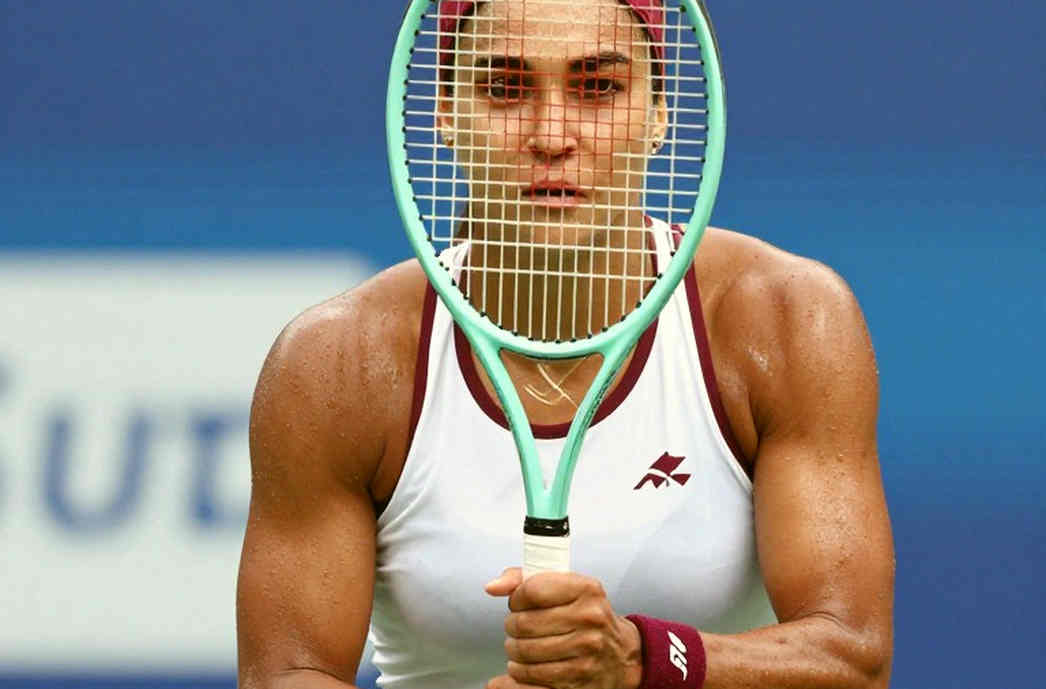
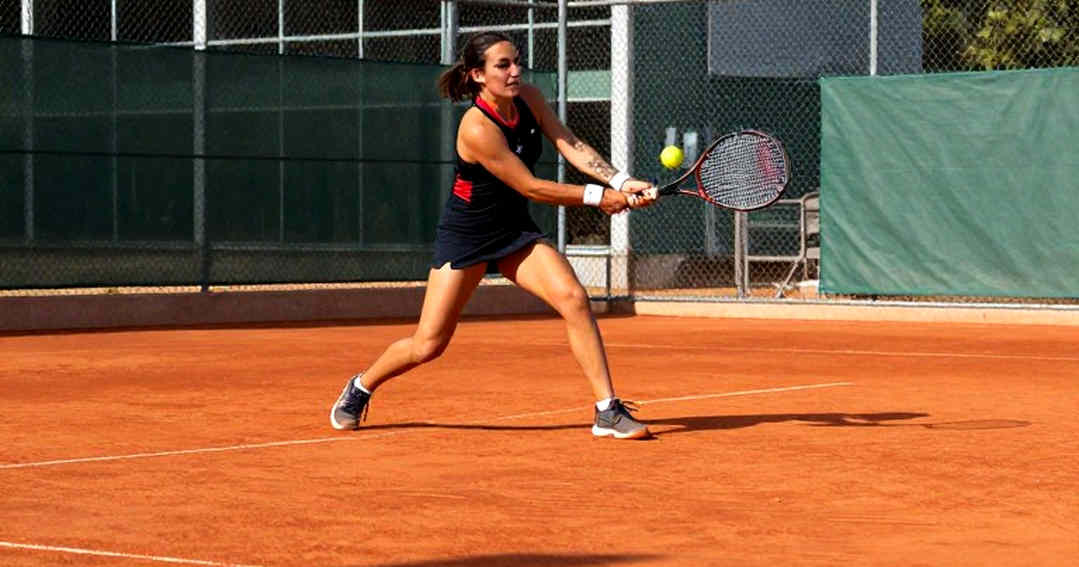
Guadalajara sits roughly 1,566 metres above sea level. One number rewrites the physics of the whole week. Air density at that altitude is about 15 to 20 percent lower than at sea level. Lower density means less drag, so the ball travels faster, and a weaker Magnus effect means spin does less work. The result is simple: the serve grows in authority, the share of flat serves rises, and rallies shorten.
This is where the common mistake appears. Shorter rallies do not mean less load. Load does not disappear in thin air; it migrates. Long baseline exchanges are replaced by maximum-effort serves and the explosive first two or three steps that follow. With returners standing deeper, covering a short ball demands an unusual amount of ground. Aerobic tolerance drops, peak force per unit of time rises, and in a teenage body that peak force is exactly where the risk sits.
Structure / Cause / Expected return
My Facebook page has carried the same fixed three-line header since 2026: Structure, Cause, Expected return. Applied here it reads: structure — posterior rotator cuff and scapular stabilisers of the serving shoulder; cause — a higher volume of flat serves at altitude and a higher angular velocity per serve; expected return — five to ten days framed as load management, provided there is no labral or cuff tear. That is not a diagnosis. It is a probability frame.
The lag in a young body
Adolescent physiology carries a time lag that a trophy count never shows. After peak height velocity, bone length increases, but tendon collagen turnover is slower. The lever has changed; the tensile strength meant to control that lever is still catching up. Serve mechanics swing into new angles, and lumbar extension and hip flexion demands shift. In that window, winning the same event two years running is genuinely good news, because adaptation has reproduced in identical conditions. Treating that reproducibility as a ceiling is not.
A decade of watching from courtside, plus the extensor tendinopathy I gave myself in 2026 hitting 300 kick serves a day on the Rangpur divisional courts, has made one thing clear: the body keeps a ledger, the broadcast only reads the summary. A viewer who reads a player's facial expression for the diagnosis will always miss the fact that the real event happened three weeks earlier, when the calendar was cut.
Denominator: how many serves, how many steps
Titles cannot measure load. Matches, games and serves can. A 32-draw at WTA 500 level means five singles matches, roughly 350 to 450 match serves, with practice and warm-up volume on top. A teenager can absorb that week if the demand has been built in steps over the previous month. What follows a title is not a step; it is a jump — wildcards, main-draw entries, sponsor days. That, not the trophy, is the risk.
I would argue that a title count behaves like tennis's xG. xG explains the result without explaining the decisions, form or officiating inside it. A second title proves adaptation held; it does not prove the body has already paid the bill. The invoice may still be sitting in the letterbox.
Repetition is a controlled experiment
Same venue, same altitude, same ball, same surface: a repeat title is, in scientific terms, a controlled repeat. That is valuable, because it shows the adaptation stuck. It does not establish a new ceiling. Familiar environments are where small soft-tissue clusters accumulate, because a body that is efficient there notices its own limit late. Familiarity raises risk and hides it at the same time.
Players with full service teams usually keep that risk contained through ice baths, physios, travel party size, flight class and the count of days between events. At teenage level that infrastructure is typically thin. Changing time zones across the weeks after Guadalajara means disrupted sleep, and disrupted sleep breaks the night shift of tissue repair. None of that makes a headline, yet half the load path is written there.
The contrarian angle: not the trophy, the calendar
Repeating a title is usually read as proof of progress. For a teenager, a second title at the same venue is probably a weaker ceiling signal than one deep run at an unfamiliar venue and an unfamiliar altitude, because the second forces the body to recalculate. Winning where you are already adapted proves skill, not full adaptability.
The second contrary point is the entry list. Tennis has no transfer window, but wildcards and entry lists are its transfer window. After a title, federations, sponsors and tournament directors all become active in it. There is no club-to-club transfer, yet slots get added to the calendar at a comparable velocity. That is where attention belongs.
Takeaway: the next three events
I am not predicting; I am setting conditions. Over the next three tournaments, two things are worth watching — hesitancy in the first step across the first two rounds after a surface change, and whether she plays three consecutive weeks. If someone moves through four straight weeks without a soft-tissue complaint, my load concern is wrong for this athlete and I will say so. If a left calf strain arrives in week four, nobody gets to be surprised.
The calendar is the biggest coach. Who lifted the trophy belongs to history; who served how much belongs to the future.